


| Received | : | Oct 04, 2026 |
| Accepted | : | Oct 29, 2026 |
| Published Online | : | Online: Nov 05, 2026 |
| Journal | : | Annals of Cardiology Case Reports |
| Publisher | : | MedDocs Publishers LLC |
| Online edition | : | http://meddocsonline.org |
Cite this article: Alaoui AM, Meziane I. Diagnostic Yield of Wearable Devices Beyond Atrial Fibrillation: A Case Report. Ann Cardiol Case Rep. 2026; 6(2): 1012.
Background: Bifascicular block is a marker of His-Purkinje conduction system disease and may be associated with intermittent episodes of high-grade Atrioventricular (AV) block causing presyncope or syncope. When noninvasive investigations, including Holter monitoring, fail to establish a diagnosis, electrophysiological study is often required, although it carries a non-negligible false-negative rate. Wearable devices, increasingly used for atrial fibrillation screening, may offer a complementary tool for capturing paroxysmal rhythm events occurring outside the hospital setting.
Case summary: We report the case of a 65-year-old man with a one-year history of recurrent dizziness and two syncopal episodes, and a family history of degenerative conduction disease requiring pacemaker implantation in both older brothers. The resting ECG showed bifascicular block (complete right bundle branch block with left anterior fascicular block), and a 24-hour Holter ECG recording was unremarkable, with the patient remaining asymptomatic throughout monitoring. While an electrophysiological study was being scheduled in accordance with the 2021 European Society of Cardiology guidelines, the patient experienced a witnessed syncopal episode. A smartwatch recording at the time of syncope captured severe bradycardia (35 beats per minute) with high-grade, Mobitz type II (3:1) atrioventricular block, allowing a definitive diagnosis without the need for invasive testing. The patient underwent dual-chamber pacemaker implantation, with resolution of syncope and dizziness over a four-year follow-up period.
Conclusion: This case illustrates the diagnostic value of consumer wearable devices in patients with bifascicular block and unexplained syncope, beyond their established role in atrial fibrillation detection. By documenting a spontaneous high-grade atrioventricular block at the exact moment of a symptomatic event, wearable technology enabled a timely diagnosis and guided appropriate therapeutic management, supporting its complementary role in the diagnostic work-up of intermittent conduction disease.
Keywords: Wearable devices; Smartwatch; Bifascicular block; Atrioventricular block; Syncope; Cardiac pacing.
Wearable devices, particularly smartwatches, have progressively emerged as tools for cardiac rhythm monitoring, most notably for the screening of Atrial Fibrillation (AF). Their development relies mainly on Photoplethysmography (PPG), which allows continuous heart rate monitoring, and, in some models, on single-lead Electrocardiogram (ECG) recording. Although their clinical use has initially focused on AF detection, their potential application now extends to other rhythm and conduction disorders. A systematic review of arrhythmias detected by smartwatches beyond AF reported cases of supraventricular tachycardia, ventricular tachycardia, sinus bradycardia, and second- or third-degree atrioventricular block. The authors highlighted the potential value of these devices in situations where rhythm events are intermittent and difficult to document using conventional methods [1].
Several clinical observations have illustrated this possibility. High-grade atrioventricular block was documented by an Apple Watch in a patient presenting with syncopal episodes after transcatheter aortic valve implantation, whereas prior evaluations had failed to establish the diagnosis [2]. Other reports have shown that bradycardia alerts delivered by a smartwatch could lead to the identification of a significant conduction disorder and, more broadly, of an underlying cardiomyopathy, as illustrated by a case of LMNA-related cardiomyopathy [3]. These observations remain essentially case-based, however, and do not support the use of smartwatches as stand-alone diagnostic tools; their main value lies in their ability to capture rhythm data at the exact time of a clinical event.
Bifascicular block is a marker of His-Purkinje conduction system disease and may be associated with intermittent episodes of advanced atrioventricular block capable of causing presyncope or syncope. In patients with unexplained syncope and bifascicular block, European guidelines give an important role to electrophysiological study when noninvasive investigations fail to establish the cause of syncope. This study may reveal infraHisian conduction disease, although a negative result does not entirely exclude the subsequent occurrence of paroxysmal atrioventricular block [4]. When episodes are rare, brief, and difficult to reproduce, correlating symptoms with the underlying rhythm abnormality remains a genuine diagnostic challenge, and prolonged ambulatory monitoring, or even an implantable loop recorder, may be required [4,5].
In this context, wearable devices may serve as a complementary tool for documenting paroxysmal events occurring outside the medical setting. We report the case of a patient with bifascicular block and recurrent episodes of presyncope or syncope, for whom an electrophysiological study had been scheduled. A symptomatic episode occurring outside the hospital was captured by a smartwatch, which recorded severe bradycardia and atrioventricular conduction disturbance at the exact time of the event. This observation illustrates the potential value of wearable technology in establishing a temporal correlation between symptoms and rhythm abnormalities under real-life conditions, and underscores its complementary role in the diagnostic workup of patients with intermittent conduction disease.
The patient was a 65-year-old man with no notable personal medical history. His family history was significant for dualchamber pacemaker implantation in both of his older brothers for degenerative conduction disease.
The patient had a one-year history of recurrent dizziness, associated with two syncopal episodes, one of which had resulted in frontal head trauma without signs of severity.
On cardiovascular examination, blood pressure was 127/82 mmHg, heart rate 62 beats per minute, and oxygen saturation 99% on room air. The apex beat was normally located, heart sounds were normal with no murmurs or added sounds, and peripheral pulses were palpable and symmetrical. The remainder of the clinical examination, including the neurological examination, was unremarkable.
The resting ECG showed regular sinus rhythm at 80 beats per minute, a PR interval of 160 ms, and complete right bundle branch block with a QRS duration of 150 ms, associated with left anterior fascicular block, consistent with bifascicular block. There was no evidence of chamber hypertrophy or any other rhythm or conduction abnormality (Figure 1).
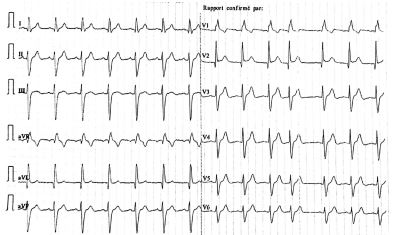
Figure 1: EKG at admission of the patient.
A 24-hour Holter ECG showed persistent sinus rhythm, with heart rate ranging from 45 bpm (nocturnal minimum) to 116 bpm (maximum). No significant conduction abnormality was recorded, and the patient remained asymptomatic throughout the monitoring period (Figure 2).
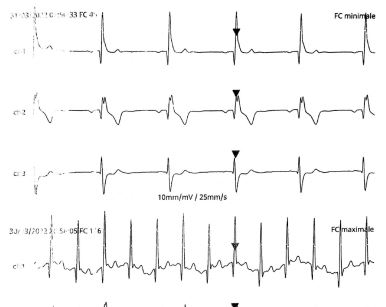
Figure 2: 24-hour Holter ECG recording of the patient.
In accordance with the 2021 European Society of Cardiology guidelines, an electrophysiological study was proposed to localize the site of the conduction disturbance. In the interim, the patient experienced a syncopal episode, which was directly witnessed by the treating cardiologist. A “Withings” smartwatch recorded severe bradycardia at 35 beats per minute and revealed high-grade atrioventricular block (Mobitz type II, 3:1) concomitant with the syncopal event (Figure 3,4).
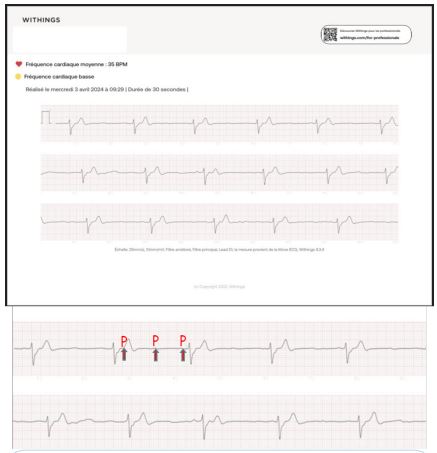
Figure 3: Smartwatch recording at the time of syncope.
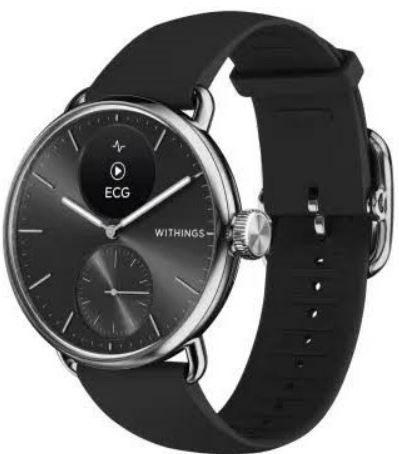
Figure 4: The model of the smartwatch used for the recording.
The patient subsequently underwent dual-chamber pacemaker implantation, with a favorable clinical course marked by resolution of syncope and dizziness over a 4-year follow-up period.
Device interrogation at 2-month and 6-month follow-up visits, and annually thereafter over 4 years, showed persistent spontaneous atrial rhythm, with ventricular pacing occurring 10% of the recording time.
This case illustrates how a consumer wearable device can provide decisive diagnostic information in a patient with bifascicular block and unexplained syncope, by capturing the exact rhythm abnormality underlying a spontaneous symptomatic event occurring outside the hospital setting. While the resting ECG established the substrate (bifascicular block) and 24-hour Holter monitoring failed to reveal any conductive abnormality, the smartwatch recording obtained at the time of syncope demonstrated high-grade, Mobitz type II atrioventricular block, directly confirming the suspected infra-Hisian mechanism and avoiding the need for an invasive electrophysiological study that had already been scheduled.
This observation is consistent with the growing body of literature describing the diagnostic contribution of wearable devices beyond AF screening [1–3]. Beyond isolated case reports, larger validation studies have begun to formally characterize this diagnostic potential. In a prospective comparison against standard 12-lead ECG, placement of a smartwatch beyond the wrist (ankle and chest leads) improved the detection of atrioventricular block and allowed better differentiation between bradyarrhythmias and sinus bradycardia, suggesting that recording configuration substantially influences diagnostic accuracy for conduction disorders [6]. In a cohort of patients at risk of high-degree atrioventricular block after transcatheter aortic valve replacement, smartwatch-detected Mobitz type II and third-degree atrioventricular block during ambulatory follow-up were shown to be more informative predictors of subsequent pacemaker implantation than conventional in-hospital risk markers, supporting the use of wearables for post-procedural surveillance in patients at risk of delayed conduction disease [7]. Similarly, smartwatch-based telemonitoring has enabled the identification of complete atrioventricular block in the early postoperative period after cardiac surgery, outside of continuous hospital telemetry, illustrating a comparable paradigm of opportunistic, patient-triggered detection to that observed in the present case [8]. However, the diagnostic performance of wearable-derived single-lead tracings for conduction abnormalities remains heterogeneous across devices and algorithms: a diagnostic trial evaluating a wearable ECG-recording system in elderly patients reported a notably low sensitivity for firstdegree atrioventricular block compared with standard 12-lead ECG, underscoring that wearable devices are considerably more reliable for raw rhythm capture than for automated algorithmic interpretation of conduction disorders [9]. Case-level evidence further supports the value of heart-rate-alert-triggered consultation, as previously described for a wearable device prompting recognition of unsuspected complete heart block in an otherwise asymptomatic patient [10].
Unlike continuous rhythm-monitoring strategies such as Holter recording or implantable loop recorders, wearable devices benefit from being worn continuously in daily life, which increases the likelihood of capturing infrequent, unpredictable events at the precise moment of symptom onset. This is particularly relevant in patients with conduction system disease, in whom paroxysmal atrioventricular block may be brief, unpredictable, and difficult to reproduce with conventional ambulatory monitoring [4]. In such patients, current European guidelines recommend electrophysiological study when noninvasive investigations remain inconclusive, but this procedure carries a non-negligible false-negative rate and does not entirely exclude a subsequent paroxysmal atrioventricular block [5]. In the present case, the spontaneous occurrence of a documented event obviated the need for this invasive step and directly guided the therapeutic decision toward dual-chamber pacemaker implantation.
This observation nevertheless warrants several caveats. First, it remains a single case, and the diagnostic yield of wearable devices in patients with bifascicular block or suspected paroxysmal atrioventricular block has not been formally evaluated in prospective cohorts specifically designed for this indication; the available evidence largely consists of isolated case reports and heterogeneous cohort studies conducted in other clinical settings, such as post-TAVR or postoperative monitoring [1–3,7,8]. Second, most consumer wearables are optimized for the detection of irregular rhythms suggestive of AF and are not specifically validated for the identification of bradyarrhythmias or atrioventricular conduction disturbances; as shown by comparative diagnostic studies, their sensitivity for conduction abnormalities can be considerably lower than for AF, and the rhythm strips they generate therefore require expert cardiologist interpretation and cannot be considered a substitute for formal ECG diagnosis [6,9]. Third, their diagnostic utility is inherently opportunistic and depends on symptom recurrence during device use, device accessibility, and patient adherence, which limits their systematic use as first-line diagnostic tools. Finally, the long-term reliability of pacemaker therapy guided by a single wearable-documented event, as in this patient followed over four years with persistent spontaneous atrial rhythm and ventricular pacing in only 10% of recorded time, supports the appropriateness of the diagnosis and intervention, though this remains an individual outcome rather than generalizable evidence.
Taken together, these findings support a complementary, rather than autonomous, role for wearable devices in the diagnostic work-up of patients with intermittent conduction disease and unexplained syncope. Larger prospective studies specifically designed for bifascicular block and paroxysmal atrioventricular block are needed to define the true diagnostic yield of wearables in this setting, to clarify their place relative to implantable loop recorders and electrophysiological study [5], and to establish standardized criteria for the clinical validation of wearable-derived rhythm data before they can be formally integrated into diagnostic algorithms [6,9].
This case highlights the potential diagnostic value of consumer wearable devices in patients with bifascicular block and unexplained syncope, beyond their established role in atrial fibrillation screening. By capturing a spontaneous episode of high-grade atrioventricular block at the precise moment of syncope, a smartwatch recording enabled a definitive diagnosis and guided appropriate pacemaker implantation, while avoiding an invasive electrophysiological study. Although current evidence remains limited to isolated case reports, wearable technology appears to offer a valuable complementary tool for establishing symptom-rhythm correlation in patients with intermittent conduction system disease. Further prospective studies are warranted to define its diagnostic yield and to support its integration into standard diagnostic pathways for unexplained syncope.
We always work towards offering the best to you. For any queries, please feel free to get in touch with us. Also you may post your valuable feedback after reading our journals, ebooks and after visiting our conferences.

